
 By
By 
Smoking and vaping increase the risk of gum disease, tooth loss, slow healing, infections, and mouth cancer due to weakened immunity. Quitting reduces these risks and improves treatment outcomes. Regular dental check-ups are essential. In Australia, smoking has declined, but vaping, especially among young adults, remains common, and both harm oral health similarly.
How do vaping and smoking affect teeth, gums, and oral health?
The most common oral issues among people who vape or smoke include:
- Gum (periodontal) disease
- Mouth cancer
- Whitening of soft tissue (smoker’s keratosis)
- Poor healing after extractions (dry socket)
- Tooth decay
- Tooth loss
- Delayed healing after oral surgery
- Dry mouth (xerostomia)
- Changes in taste
- Persistent bad taste or bad breath (halitosis)
- Tooth erosion (acid damage)
- Tooth discoloration
- Aphthous ulcers
Oral health risks of vaping
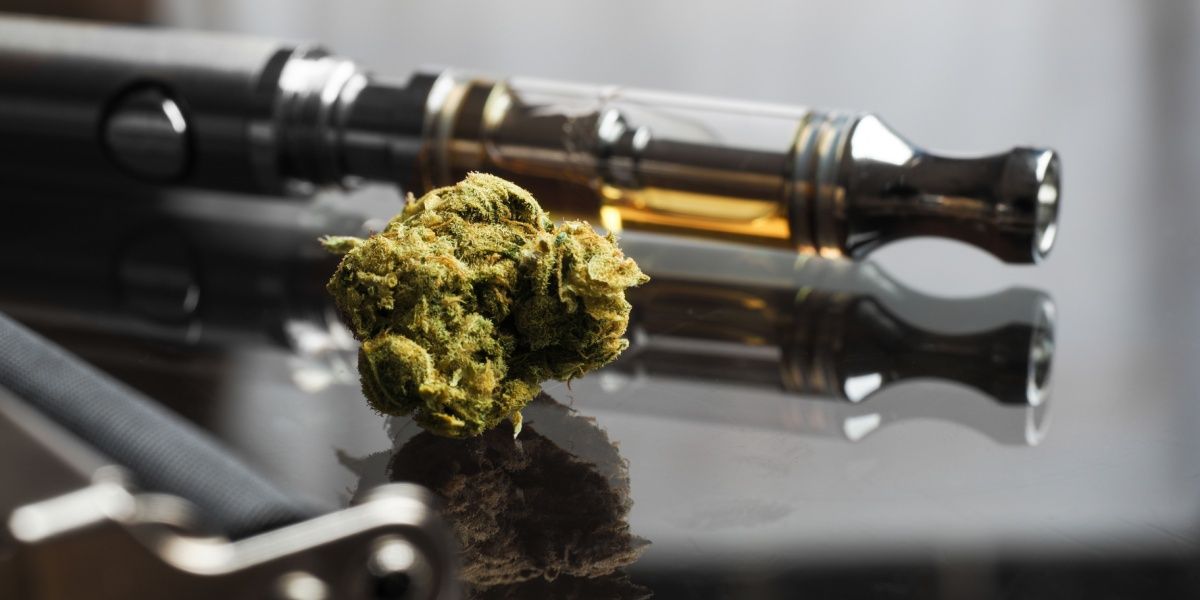
Vaping may appear safer than smoking, but it can still harm oral health. E-liquids may contain:
- Nicotine
- Heavy metals
- Volatile organic compounds (VOCs)
- Carcinogenic chemicals
Nicotine vaping increases oral health risks. Dry mouth can lead to decay, gum disease, sensitivity, and erosion. Consulting dentists near me can help monitor and manage these effects. PG, VG, and sweet flavours may weaken enamel, cause residue and staining, and maintain nicotine dependence even when used to quit smoking.
Vaping and smoking, and gum (periodontal) disease
Gum disease occurs when infection destroys the bone supporting teeth. Plaque buildup triggers the condition. Gum disease has two stages:
- Gingivitis: Early inflammation of the gums
- Periodontitis: Advanced damage affecting bone and attachment structures
Tooth loss affects chewing, speech, appearance, and overall facial structure.
Vaping and smoking increase gum disease risk
Vaping and smoking reduce blood supply to the gums, weakening the immune response and making treatment less effective. Higher nicotine exposure increases risk and severity.
Will my gums get better if I stop vaping/smoking?
Yes. Once someone quits, their risk matches that of non-smokers. Initial bleeding after quitting is normal. Dental care and proper hygiene help recovery.
Signs of gum disease include:
- Red, swollen, or bleeding gums
- Pus around the gums
- Gums pulling away from teeth
- Bad breath or unpleasant taste
- Loose teeth or changes in bite
- Gaps forming between teeth
Vaping/smoking and slow healing after dental treatment
Nicotine slows immune response, delaying healing after extractions or injuries. This can cause:
- Dry socket
- Increased pain after oral surgery
- Lower dental implant success
- Patients should contact their dentist if healing issues arise.
Mouth cancer and vaping/smoking risk
Mouth cancer affects the lips, tongue, and cheeks. Tobacco is the main risk, increased further with alcohol. Quitting reduces risk over time.
Symptoms include:
- A sore lasting longer than 7–10 days
- White or red patches
- Swelling
- Dentures no longer fit properly
Early diagnosis helps prevent the spread and improves treatment outcomes such as surgery, radiotherapy, or chemotherapy.
Preventing teeth and gum problems
To reduce oral risks, individuals should:
- Seek support to quit (dentist or Quitline)
- Brush twice daily and floss
- Visit the dentist regularly
- Prevent dry mouth by staying hydrated or chewing sugar-free gum
- Limit alcohol and avoid recreational drugs









Comments