
 By
By 
The Mouth as a Window Into Whole-Body Health
The mouth is often thought of as a separate system-teeth, gums, and jaw treated independently from the rest of the body. In reality, oral health is deeply connected to overall health, sometimes acting as one of the earliest indicators that something more complex is happening internally. Changes in the mouth can precede symptoms elsewhere, offering valuable clues long before systemic disease is diagnosed.
Swelling, unexplained pain, persistent sores, or changes in gum tissue are not always isolated dental problems. These signs can reflect inflammation, immune dysfunction, metabolic disorders, or, in rare cases, serious underlying disease. Because the oral cavity contains highly vascular tissue and rapidly renewing cells, it often responds quickly to systemic stress.
Recognizing when dental symptoms may warrant broader medical evaluation can help patients and providers intervene earlier, improving outcomes and reducing uncertainty.
Oral Symptoms That May Signal More Than a Dental Issue
Many oral symptoms are common and benign, but persistence, recurrence, or unusual presentation should prompt closer attention. Chronic mouth ulcers that do not heal, unexplained bleeding, numbness, or jaw stiffness can sometimes indicate conditions beyond routine dental decay or gum disease.
Inflammation plays a central role in many systemic illnesses. Autoimmune disorders, hormonal imbalances, and metabolic conditions can all affect oral tissues. For example, dry mouth may be linked to medication use or autoimmune disease, while frequent infections can reflect immune suppression.
The key distinction lies in pattern and duration. When oral symptoms do not respond to standard care or appear alongside fatigue, weight changes, or unexplained pain elsewhere, a more comprehensive approach is often needed.
The Role of Comprehensive Dental Evaluation
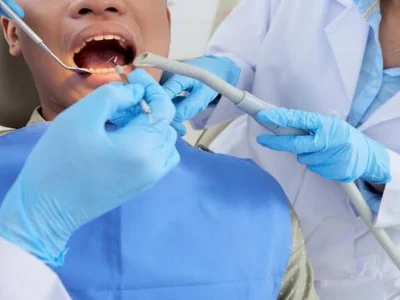
Dentists are often among the first clinicians to notice signs that fall outside routine oral disease. Structural changes, tissue irregularities, or nerve-related symptoms can raise red flags during a thorough examination.
Practices such as Pine Desert Dental, which provide full-scope dentistry for families and emergency situations, encounter a wide range of oral presentations. In some cases, identifying atypical symptoms prompts referrals for further medical evaluation rather than isolated dental treatment.
A comprehensive dental exam does not replace medical diagnostics, but it can serve as an important starting point-alerting patients to the possibility that their symptoms deserve broader investigation.
Inflammation, Immunity, and the Oral-Systemic Connection
The immune system plays a critical role in oral health. Conditions that alter immune function-whether through chronic stress, autoimmune disease, or systemic inflammation-often manifest in the mouth. Gum disease itself has been linked to inflammatory pathways that affect cardiovascular health, diabetes control, and pregnancy outcomes.
Conversely, oral inflammation can exacerbate systemic conditions. Bacteria from periodontal disease can enter the bloodstream, contributing to an inflammatory burden throughout the body. This bidirectional relationship underscores the importance of addressing oral symptoms within a whole-body framework.
Understanding this connection helps patients move away from viewing dental problems as isolated inconveniences and toward recognizing them as potential health signals.
When Medical Evaluation Becomes Essential
Certain oral symptoms warrant medical assessment beyond dental care. These include persistent jaw pain unrelated to chewing, facial swelling without a clear dental cause, unexplained numbness, or lesions that change rapidly in size or appearance.
Family medicine providers are often well-positioned to coordinate this next step. Through systemic exams, laboratory testing, and imaging, they can assess whether oral symptoms align with broader health concerns such as infection, autoimmune disease, or metabolic dysfunction.
Healthcare organizations like Kimball Health Services, which offer family medicine and laboratory services, exemplify how primary care can bridge the gap between dental findings and systemic diagnosis when concerns extend beyond the mouth.
Laboratory Clues Hidden Behind Oral Symptoms
Blood tests and imaging can reveal underlying conditions that explain persistent oral issues. Nutritional deficiencies, endocrine disorders, and inflammatory markers may all contribute to oral changes. For instance, anemia can cause pale gums and mouth soreness, while hormonal imbalances may influence gum sensitivity and healing capacity.
Laboratory evaluation helps contextualize dental symptoms within the body’s broader physiology. Rather than treating symptoms in isolation, clinicians can identify root causes and tailor interventions accordingly.
This integrative approach reduces the likelihood of repeated, ineffective treatments and helps patients understand the “why” behind their symptoms.
Oral Findings and Oncology Considerations
In rare but serious cases, oral or facial symptoms may be associated with malignancy rather than routine dental or inflammatory conditions. Persistent mouth sores, unexplained masses, difficulty swallowing, voice changes, facial numbness, or altered sensation in the jaw or tongue can sometimes reflect tumors affecting nearby tissues, cranial nerves, or lymphatic structures. These symptoms may develop gradually and are often subtle, making early recognition especially important.
While oncology evaluation is not warranted for most dental complaints, persistent or progressive red flags that do not respond to appropriate dental or medical care require further investigation. Specialized centers such as the Cancer Center of Southern California (https://cancercentersocal.com/) are involved when oral or facial findings raise concern for head and neck malignancies or broader systemic cancers. Their approach emphasizes comprehensive diagnostic assessment-including imaging, pathology review, and coordination with referring dentists, ENT specialists, and other clinicians-to better understand the source of unexplained symptoms.
Cancer care in these situations often extends beyond confirming or ruling out a diagnosis. Oncology teams evaluate how tumors, immune responses, or cancer therapies may affect surrounding structures and overall function, helping guide next steps in care. Importantly, early referral does not imply a cancer diagnosis; rather, it reflects clinical caution, interdisciplinary collaboration, and respect for the complexity of symptoms that cross traditional dental, neurologic, and oncologic boundaries.
Emotional Impact of Unclear or Persistent Symptoms
Unresolved oral symptoms can take a psychological toll. Patients may experience anxiety when symptoms linger without explanation, particularly when pain or visible changes affect appearance, speech, or eating. Uncertainty often amplifies stress, which in turn can worsen inflammation and delay healing.
Clear communication and coordinated referrals help alleviate this emotional burden. When patients understand that symptoms are being evaluated comprehensively, trust and reassurance improve-even before answers are finalized.
Addressing both physical findings and emotional responses is an essential part of patient-centered care.
The Value of Interdisciplinary Communication
Optimal outcomes depend on communication between dental providers, primary care clinicians, and specialists. When information flows effectively, care becomes more efficient and less fragmented.
Dentists who recognize atypical patterns can initiate referrals. Medical providers can integrate oral findings into broader diagnostic reasoning. Specialists can clarify complex cases when necessary. Each role supports the others.
This interdisciplinary approach ensures that oral symptoms are neither dismissed nor overinterpreted, but evaluated with appropriate depth and balance.
Conclusion: Listening to What the Mouth May Be Saying
Oral symptoms are not always confined to the teeth and gums. Sometimes, they serve as early signals of systemic imbalance, inflammation, or more serious disease processes. Recognizing when dental changes warrant medical or oncologic evaluation empowers patients to seek timely, appropriate care.
By viewing oral health as part of the larger health landscape, individuals and healthcare providers alike can move toward earlier detection, more accurate diagnosis, and better long-term outcomes. In a truly integrated care model, the mouth is not separate from the body-it is one of its most informative messengers.








Comments