
 By
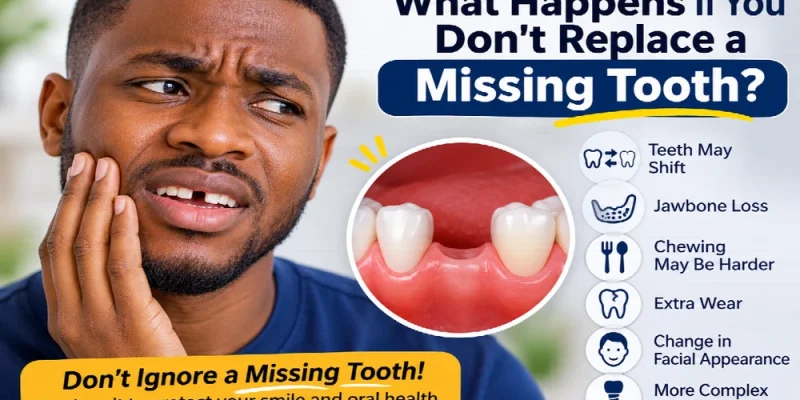
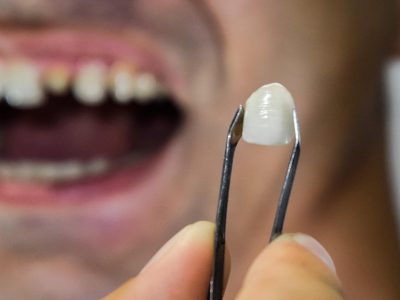
Losing a tooth can affect more than your smile. Even if the gap is not visible when you talk or smile, leaving a missing tooth untreated can lead to changes in your bite, jawbone, and surrounding teeth.
These are some problems that can develop if you don’t replace a missing tooth.
1. Your Surrounding Teeth May Shift
When a tooth is missing, the teeth next to the gap can gradually move into the empty space. This can cause misalignment, create spaces between other teeth, and make your bite uneven. Over time, these changes may make chewing more difficult.
If you’re experiencing discomfort from problematic wisdom teeth, learn more about available wisdom teeth treatment options.
2. You May Experience Jawbone Loss
Your tooth roots stimulate the jawbone whenever you chew. When a tooth is lost, that stimulation disappears. The jawbone in that area may gradually shrink because it is no longer receiving the pressure it needs to maintain its density.
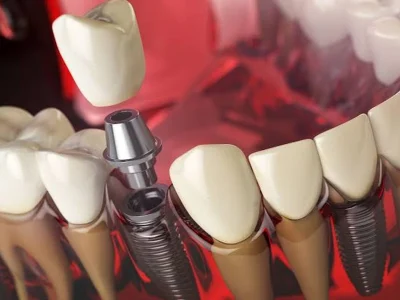
One option for replacing a missing tooth and supporting the jawbone is dental implants.
3. Chewing May Become More Difficult
Missing teeth can make it harder to chew certain foods, especially when molars are involved. You may begin favoring one side of your mouth, which can put additional pressure on the remaining teeth and jaw muscles.
4. Your Remaining Teeth May Experience Extra Wear
When one tooth is missing, the surrounding teeth may take on more pressure during chewing. This can increase their risk of excessive wear, cracks, and damage over time.
5. Your Facial Appearance May Change
Significant jawbone loss can affect the structure of your face. Over time, it may contribute to a sunken appearance around the mouth and cheeks, particularly when multiple teeth are missing.
6. Replacing the Tooth May Become More Complicated
The longer you wait, the more the surrounding teeth and jawbone may change. If significant bone loss occurs, you may need additional procedures, such as bone grafting, before getting a dental implant.
If a damaged or problematic tooth needs to be removed before replacement, your dentist may recommend tooth extraction as part of your treatment plan.
What Are Your Options for Replacing a Missing Tooth?
Depending on your oral health and individual needs, your dentist may recommend:
- Dental implants: A permanent tooth replacement option that uses a titanium post to support a natural-looking crown.
- Dental bridges: Artificial teeth supported by the natural teeth next to the gap.
- Partial dentures: Removable appliances designed to replace one or more missing teeth.
Don’t Ignore a Missing Tooth
A missing tooth may not cause immediate pain, but that doesn’t mean it should be ignored. Replacing it can help maintain your bite, protect your remaining teeth, and support your long-term oral health.
Schedule an evaluation with your dentist to discuss the best replacement option for your needs.






Comments